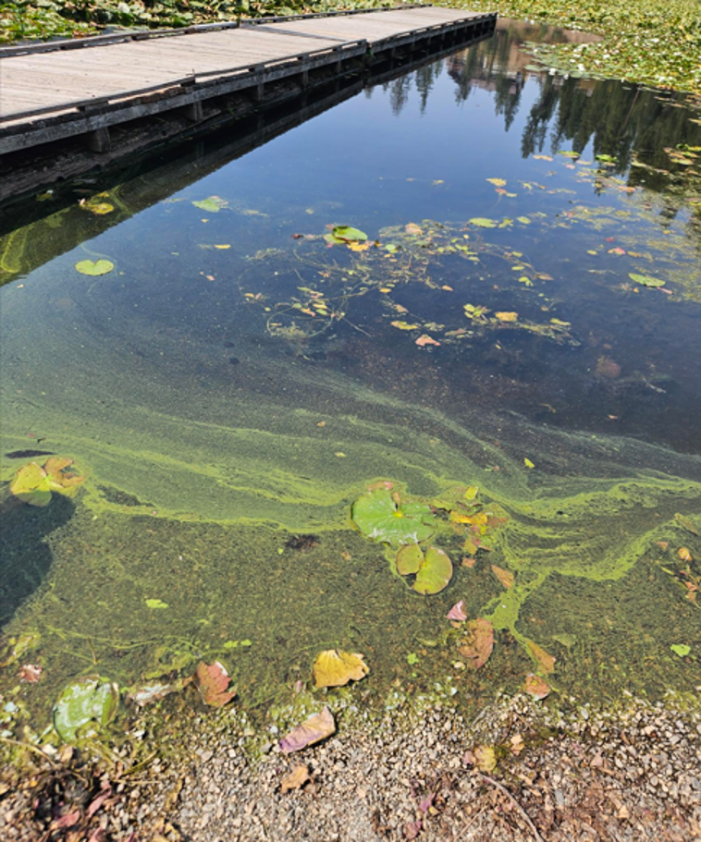
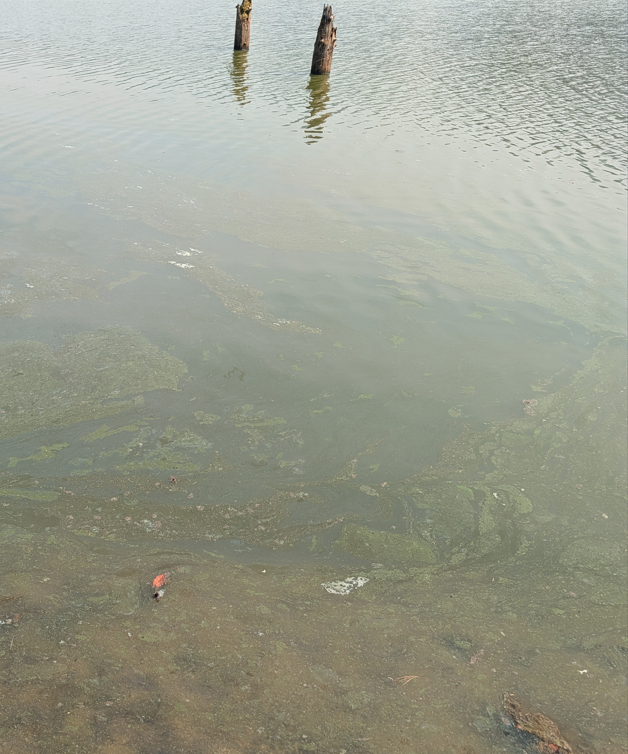
(Fernan August 2026) (Hayden August 2026)
Public Health Advisory-Cyanobacteria Bloom
Waterbodies: Fernan Lake and Northern end of Hayden Lake
Date Issued: 8/6/2026
Advisory Duration: Through the end of the recreation season (mid/late October)
Panhandle Health District (PHD) in collaboration with the Idaho Department of Health & Welfare (IDHW) and Idaho Department of Environmental Quality (DEQ) have issued public health advisories for Fernan Lake and the upper end of Hayden Lake (see map of advisory area). Recent water sampling indicates the presence of cyanobacteria, also known as a harmful algae bloom (HAB) or blue green algae in Fernan Lake and the north end of Hayden Lake. The public is advised to use caution when recreating at these sites due to the potential presence of cyanotoxins associated with cyanobacteria. The public should use precaution throughout both lakes as HABs can spread and move with wind and water traffic.
Private domestic water system owners utilizing the lake as a drinking water source are cautioned that potentially present cyanobacteria cannot be removed by boiling or filtering the water. It is recommended to avoid contact with discolored water, surface scums, or areas with visible streaks or mats; and to keep pets and children away from affected water. If contact (swimming, bathing, or showering) has been made with water containing a HAB, it is recommended to wash off with fresh water.
If people choose to eat fish from the lake, it is recommended that they remove all fat, skin and organs before cooking, since toxins are more likely to collect in those tissues.
Symptoms of exposure to HABs vary according to exposure. Symptoms can include rashes,
hives, diarrhea, vomiting, coughing, and/or wheezing. More severe symptoms affecting the liver and nervous system may result from ingestion of water. If symptoms persist, consult with your health care provider or your veterinarian for pet exposure.
Cyanobacteria are a natural part of Idaho’s water bodies. When temperatures rise, their
populations can bloom and toxic chemical compounds, or cyanotoxins, can be released into the water. Caution should be taken anywhere the water appears discolored or murky as HABs can spread or move with wind and water currents. HABs have the potential to produce dangerous toxins especially when accumulated in high concentrations. The physical
appearance of these blooms can vary, presenting as discolored water, streaks or globs of scum and can cause thick green mats along lake shorelines. Pets, children, the elderly, and people with compromised immune systems are most at-risk of harmful exposure.
The public is urged to use caution when recreating in or near the water that is discolored, or has surface scums or areas with visible streaks or mats; and to keep children and pets away from affected water.